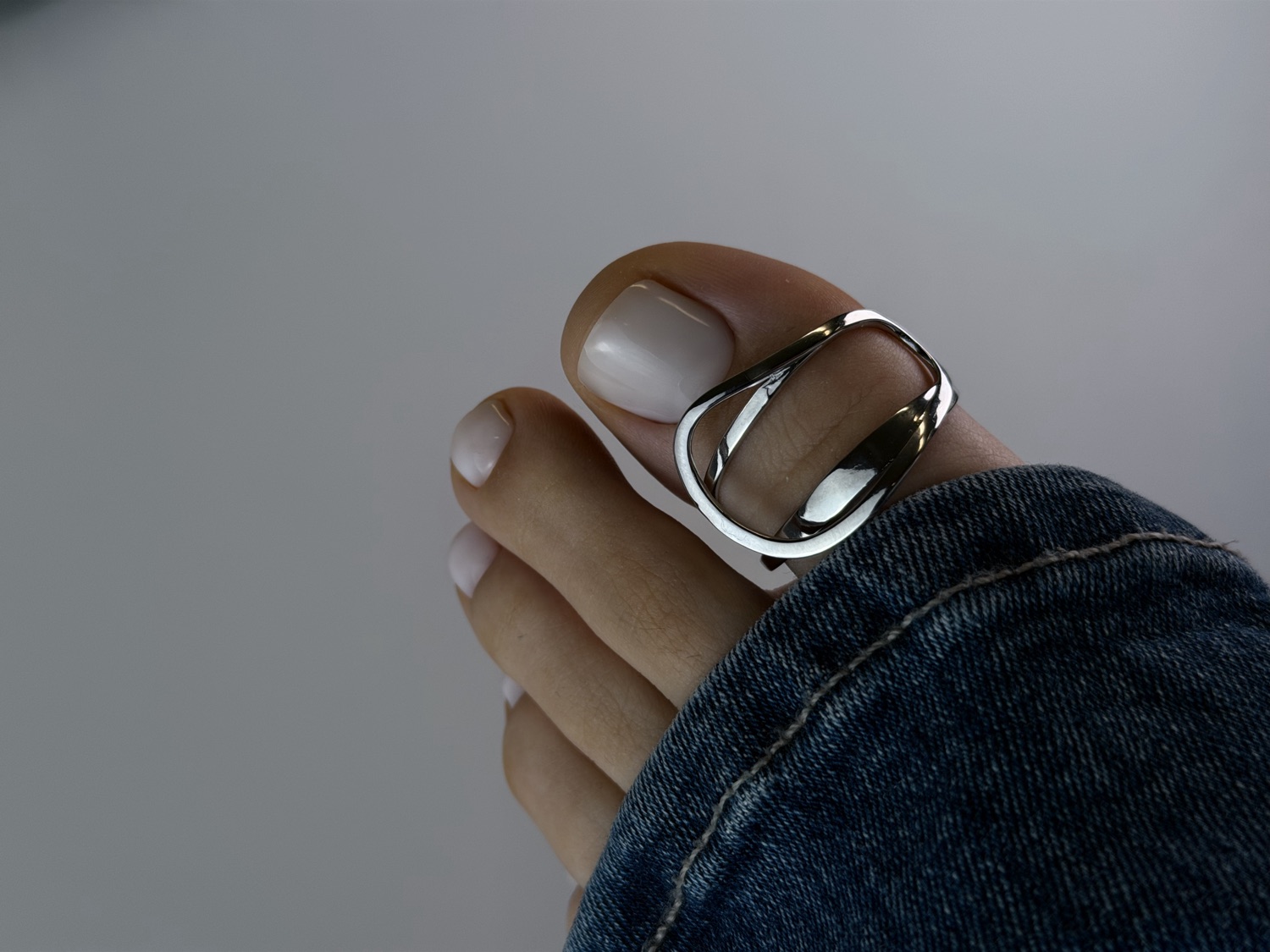
A dry pedicure — also called an e-file pedicure — is a modern, water-free way to care for the feet. Instead of soaking, the skin and nails are worked on dry, with an electric file and professional abrasives. In my Downtown Calgary studio this is the method I use every day, and here is what you can expect from it.
What a dry pedicure is
The feet are not soaked before the treatment. Working on dry skin lets me see its true condition — areas of pressure, callus and dryness are much clearer — so I remove only what needs to go and leave the healthy skin intact.
How the appointment goes
It starts with a short look at the condition of your skin and nails. Then the nails are shaped and the cuticle area is cleaned up, and hardened skin on the heels and pressure points is gradually reduced with the e-file. I finish with a smooth, clean result — and gel polish if you would like it.
- Assessment of skin and nails
- Nail shaping and cuticle work
- Controlled reduction of hard skin
- Clean finish — optional gel polish
The goal is a clean, lasting result — not removing as much skin as possible.
How it differs from a classic pedicure
A classic pedicure soaks the feet first, which softens the skin and can hide its real state. A dry, e-file pedicure is more precise and hygienic — I use disposable files, there is no shared water, and because the work is controlled, the result tends to stay smooth for longer.
What results to expect
Heels that feel smooth and comfortable, and hold for weeks rather than days. If your heels are very dry or cracked, one appointment is a strong start, but deep cracks may take a couple of visits and a little home care to fully settle — and that is completely normal.
Simple aftercare
Keep the skin moisturised, ideally with a urea-based cream, and give supportive footwear a place in your routine if you are on your feet a lot. Small, consistent care makes each pedicure last longer.
I work by appointment only in Downtown Calgary. If you would like a dry pedicure done with this kind of care, you can book an appointment — and if you are a nail technician, you can learn the full technique below.